



The Rolex Legacy: A History of Innovation

Rolex was founded in 1905 by Hans Wilsdorf and Alfred Davis in London, but it moved its operations to Geneva in 1919 to take advantage of Switzerland’s renowned watchmaking tradition.
Over the years, Rolex has continuously pushed the boundaries of horology, pioneering groundbreaking innovations like the first waterproof wristwatch, the Oyster, introduced in 1926. Later, in 1931, the company revolutionized the industry once again with the creation of the automatic winding movement, known as the Perpetual rotor.
These innovations laid the groundwork for what would become a legacy of excellence and prestige. Throughout the years, Rolex maintained a consistent focus on craftsmanship, precision, and functionality.

Its watches became the gold standard for luxury timepieces, often associated with achievements in various fields such as sports, exploration, and aviation.
These innovations laid the groundwork for what would become a legacy of excellence and prestige.

The Allure of Exclusivity
One of the key factors driving the hype surrounding Rolex is its sense of exclusivity. Rolex has carefully cultivated its image as a symbol of success and status.
Owning a Rolex is not just about telling time—it’s about signalling achievement and refinement. The brand has become a hallmark of luxury, recognized across the globe for its impeccable craftsmanship and design.
Rolex maintains its exclusivity by producing a limited number of timepieces each year, making its watches rare and desirable. The scarcity of certain models, combined with high demand, creates an environment where Rolex watches are seen as both an investment and a symbol of prestige.
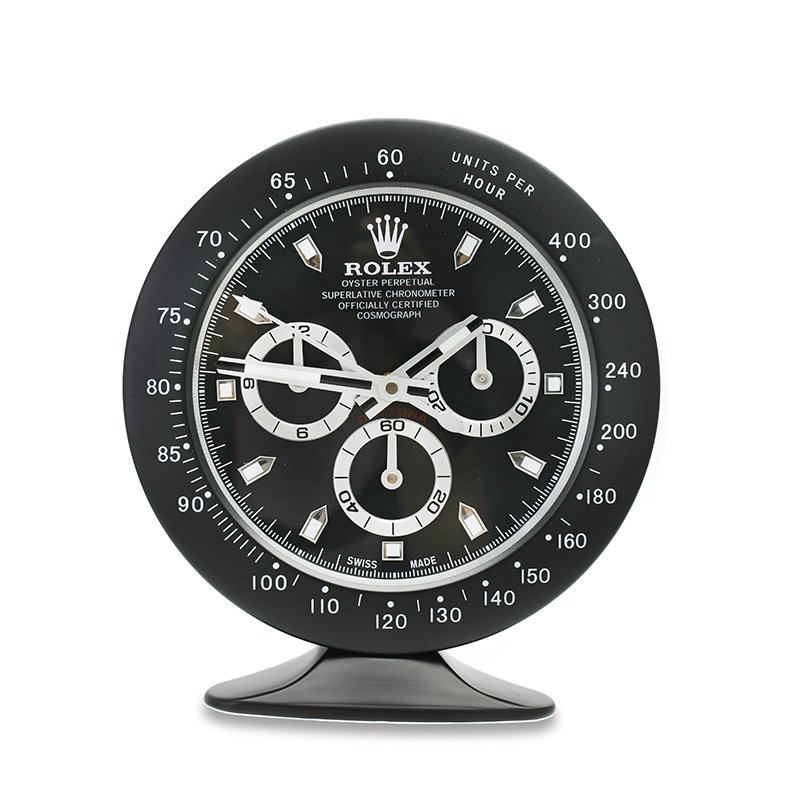
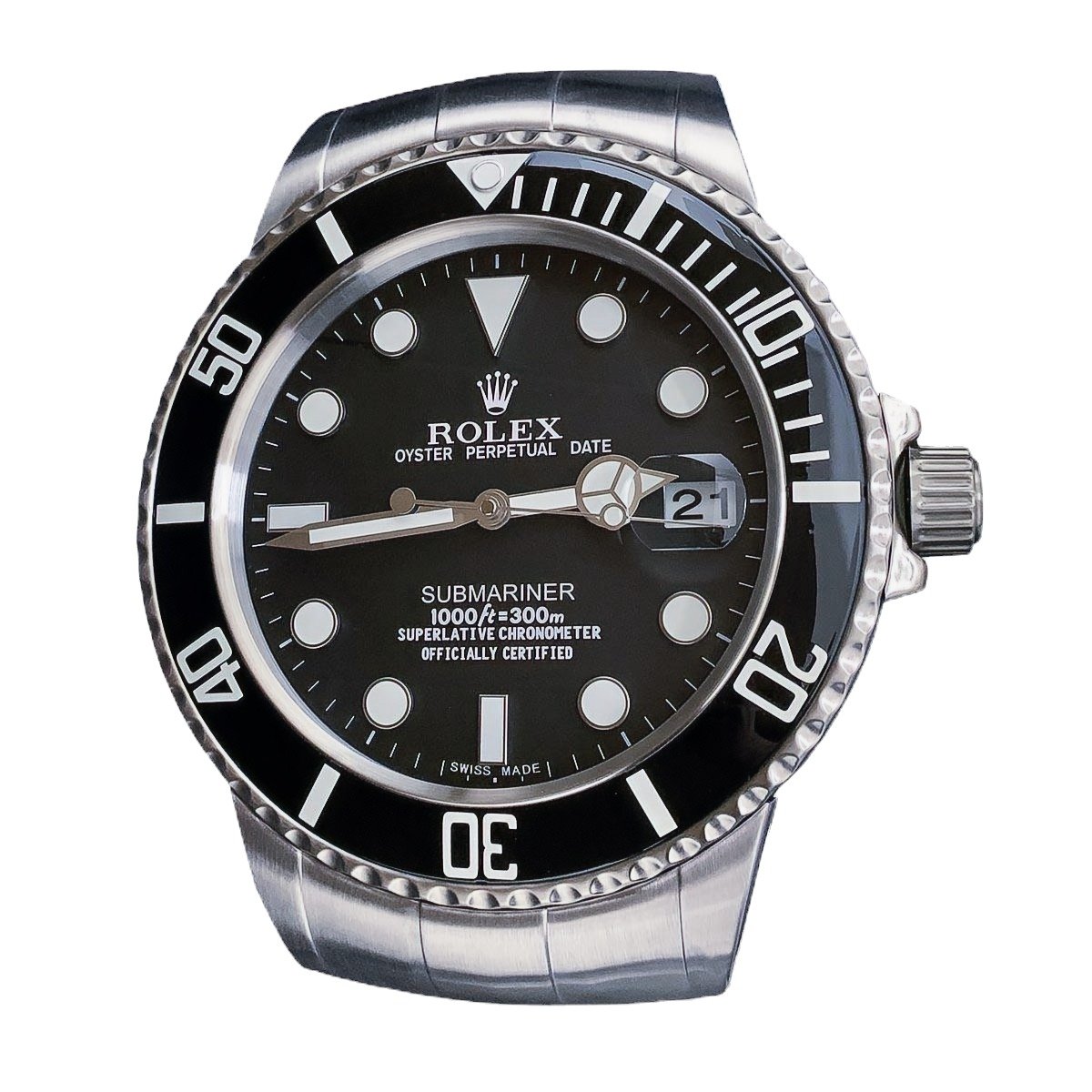
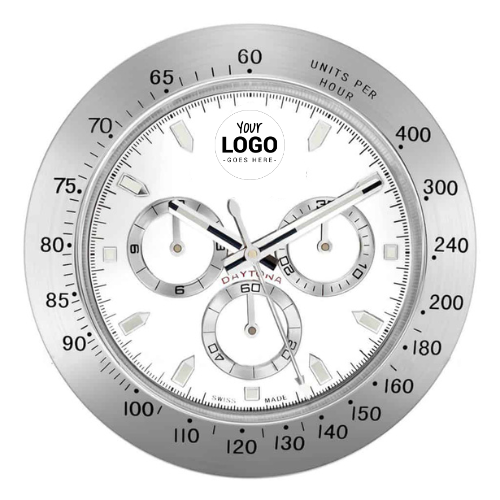
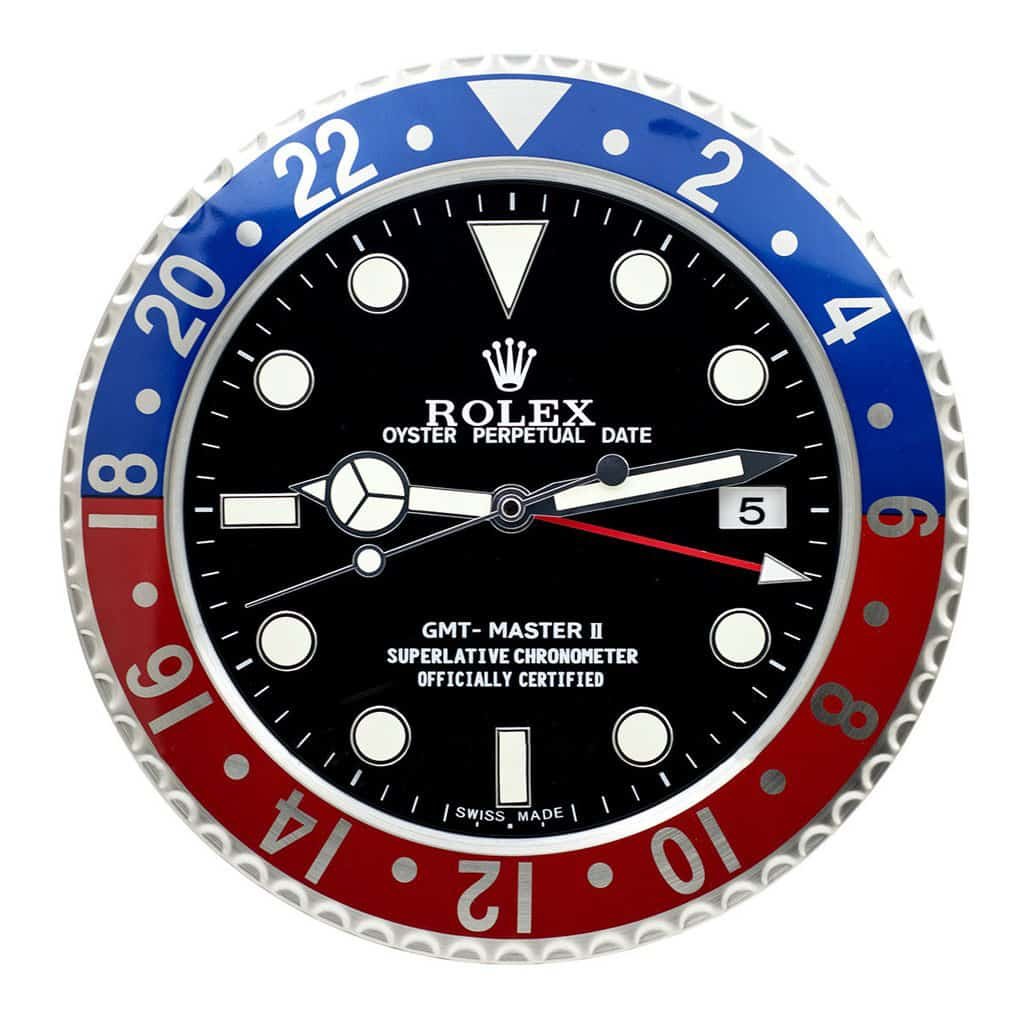
This scarcity factor is one reason why many Rolex models, such as the Submariner, Daytona, and GMT-Master II, are often sold out or available only through authorised dealers who may have long waiting lists.
The Cult of Collectability
Rolex watches have become highly collectable items, and some models have seen their value skyrocket over time. Vintage Rolex watches, in particular, are prized by collectors, with rare editions fetching astronomical prices at auctions.
For instance, the Rolex Daytona worn by Paul Newman, one of the most famous actors of the 20th century, was sold for a staggering $17.8 million in 2017, setting a record for the most expensive wristwatch ever sold at auction.

Collectors are drawn to Rolex for its rich history and the meticulous craftsmanship that goes into each timepiece. The brand’s ability to blend timeless designs with innovative features makes it an attractive investment for watch enthusiasts looking to grow their collections.
Furthermore, Rolex has a unique ability to maintain the value of its watches, with many models appreciating in price as they become rarer and more sought after.

The Role of Celebrity Endorsement
In addition to its intrinsic qualities, Rolex has built its reputation through strategic partnerships with influential figures in sports, entertainment, and culture.
The brand has a long history of associating with high-profile individuals, from tennis champion Roger Federer to actor Daniel Craig (who famously wore a Rolex in his portrayal of James Bond). These celebrity endorsements only serve to reinforce the brand’s image of success, power, and elegance.
Rolex’s association with prestigious events and sports also contributes to its cachet. The brand is a sponsor of major tournaments, including Wimbledon, the Daytona 500, and the 24 Hours of Le Mans, all of which emphasize Rolex’s connection to excellence and precision.
These associations create a sense of aspirational value, reinforcing the idea that Rolex is a brand reserved for the elite.
Social Media and the Influence of Digital Culture
In the age of social media, the Rolex hype has only intensified. Platforms like Instagram, YouTube, and TikTok have allowed watch enthusiasts and collectors to share their collections and opinions with a global audience. Hashtags like #Rolex, #RolexSubmariner, and #RolexDaytona generate millions of posts, creating a virtual community where Rolex lovers can connect, discuss, and admire each other’s timepieces.
Influencers and digital celebrities have also embraced Rolex as a status symbol, often showcasing their collections to their followers. This visibility has amplified the brand’s presence, particularly among younger generations who might have previously overlooked luxury watches. The digital age has, in many ways, turned the hype into a global phenomenon, with Rolex watches becoming a symbol of not only wealth but also digital culture and aspiration.
The Rolex Investment Phenomenon
In recent years, Rolex has become a popular investment asset. The rising demand for limited-edition models, coupled with the brand’s ability to maintain and even increase the value of its timepieces, has made Rolex watches a go-to investment for those looking to diversify their portfolios. Experts predict that some Rolex models will continue to appreciate in value, making them not only desirable but also financially savvy acquisitions.
This trend has created a new wave of buyers—those who view their Rolex watches not just as luxury items, but as assets that can generate a return. For these buyers, the excitement of owning a Rolex goes beyond its prestige; it’s also about the potential for financial gain.
